


25 Best SEO Tools in 2026
25 Best SEO Tools in 2026
Choosing an SEO tool used to be simple. You simply looked for a platform that did everything and that’d be your go-to for the foreseeable future. But in 2026, things are looking a little different. Search has changed too much over the past few years with the rise of AI-driven SERPs, entity-based ranking signals, and zero-click results. These factors have completely reshaped how we earn visibility and how we measure performance.
So how do we choose SEO tools moving forward?
Today, many SEO tools go the extra mile, giving us features that reach beyond just surface keywords or tracking ranks. So in this guide, we’re going to explain what you should really be looking for and why it matters. We’ll explain everything from the trade-offs to ideal use cases, and also offer some realistic advice on whether the tool is worth it or not.
By the end of this guide, you should know which SEO tools to choose, how to combine them effectively, and why those choices make sense in today’s search landscape.
Best SEO Tools in 2026 at a Glance
All-in-One SEO Suites
| Tool | Best For | Limitations |
| Ahrefs | Authority analysis, competitor research, backlink intelligence | Log file analysis and editorial workflows |
| Semrush | Integrated SEO and marketing workflows, reporting | Shallower link data; feature bloat for advanced users |
| SE Ranking | Cost-effective rank tracking and reporting | Less suitable for enterprise or complex sites |
| Moz Pro | Clear keyword tracking and domain-level insights | Limited technical and link analysis depth |
Technical SEO and Performance Tools
| Tool | Best For | Limitations |
| Screaming Frog | Audits, migrations, forensic technical SEO | No automation or ongoing monitoring |
| JetOctopus | Crawl budget analysis and bot behaviour | Overkill for small or simple sites |
| PageSpeed Insights and WebPageTest | Core Web Vitals measurement and diagnostics | No SEO context beyond performance |
| Lumar | JavaScript rendering and enterprise monitoring | High cost and setup complexity |
| Oncrawl | Data-led technical prioritisation | Requires technical expertise and data literacy |
Content, Topical Authority and Optimisation Tools
| Tool | Best For | Limitations |
| MarketMuse | Long-term topical authority strategy | Expensive, heavy for daily publishing |
| AlsoAsked | Question-based intent and AI SERP planning | Narrow scope; no optimisation features |
| Clearscope | Editorial-friendly content optimisation | Limited strategic topic modelling |
Link Intelligence and Authority Tools
| Tool | Best For | Limitations |
| BuzzSumo | Brand mentions, journalist discovery | Weak backlink analysis |
| Muck Rack | PR-led authority and media relationships | Not an SEO analysis tool |
| BuzzStream | Outreach execution and relationship management | No link quality or SEO metrics |
| Majestic | Deep backlink and topical trust analysis | No keyword, content, or technical features |
Local SEO and Reputation Tools
| Tool | Best For | Limitations |
| BrightLocal | Local pack tracking and review management | Limited national SEO use |
| Whitespark | Citation discovery and local competitiveness | Narrow feature set |
Reporting, Measurement and Automation Tools
| Tool | Best For | Limitations |
| Looker Studio | Stakeholder dashboards and reporting | Requires setup and connectors |
| Supermetrics | Reliable SEO data pipelines | No visual reporting |
| SEOmonitor | Forecasting SEO impact and scenarios | Not a general SEO analysis tool |
AI and Workflow Assist Tools
| Tool | Best For | Limitations |
| ChatGPT | Ideation, synthesis, outlining | Cannot verify facts or replace judgment |
| Zapier | Simple workflow automation | Limited logic; can sprawl |
| Make | Complex, scalable automation | Steeper learning curve |
| ZipTie | SERP volatility and intent monitoring | Not an execution or optimisation tool |
The 25 Best SEO Tools in 2026
1. Ahrefs
All-in-One SEO Suite
Ahrefs is a comprehensive SEO platform best known for its industry-leading link intelligence and competitive research data.
Ahrefs use cases and strengths
Ahrefs is used for backlink analysis, competitor benchmarking, keyword research, and identifying authority gaps between brands. It’s great at analysing link profiles at scale, uncovering keyword opportunities, tracking competitor growth, and assessing relative domain strength, making it especially effective for authority-led SEO strategies.
How Ahrefs is used in a workflow
SEOs typically use Ahrefs early in the process to research competitors, prioritise keywords, audit backlinks, and inform content or digital PR strategies.
What Ahrefs isn’t for
Log file analysis, end-to-end content management, or hands-on editorial content workflows.
Alternatives to Ahrefs
Semrush, Majestic, SE Ranking
Summary
Ahrefs is a best-in-class tool for competitive and authority research, but provides the strongest results when paired with other specialist content tools.
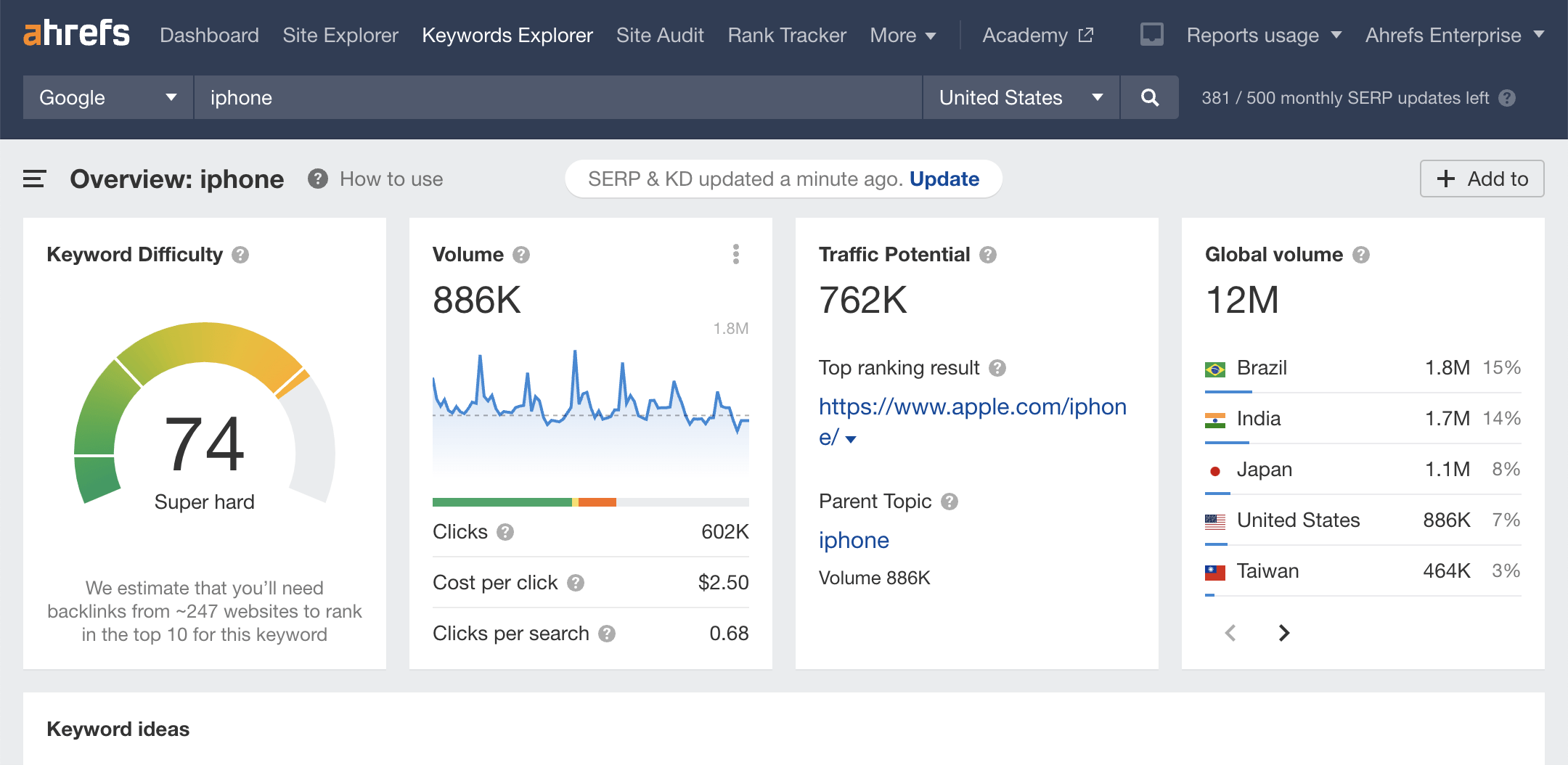
Image Source: Ahref
2. Semrush
All-in-One SEO Suite
Semrush is a digital marketing platform that offers SEO, content, PPC, and competitive intelligence.
Semrush use cases and strengths
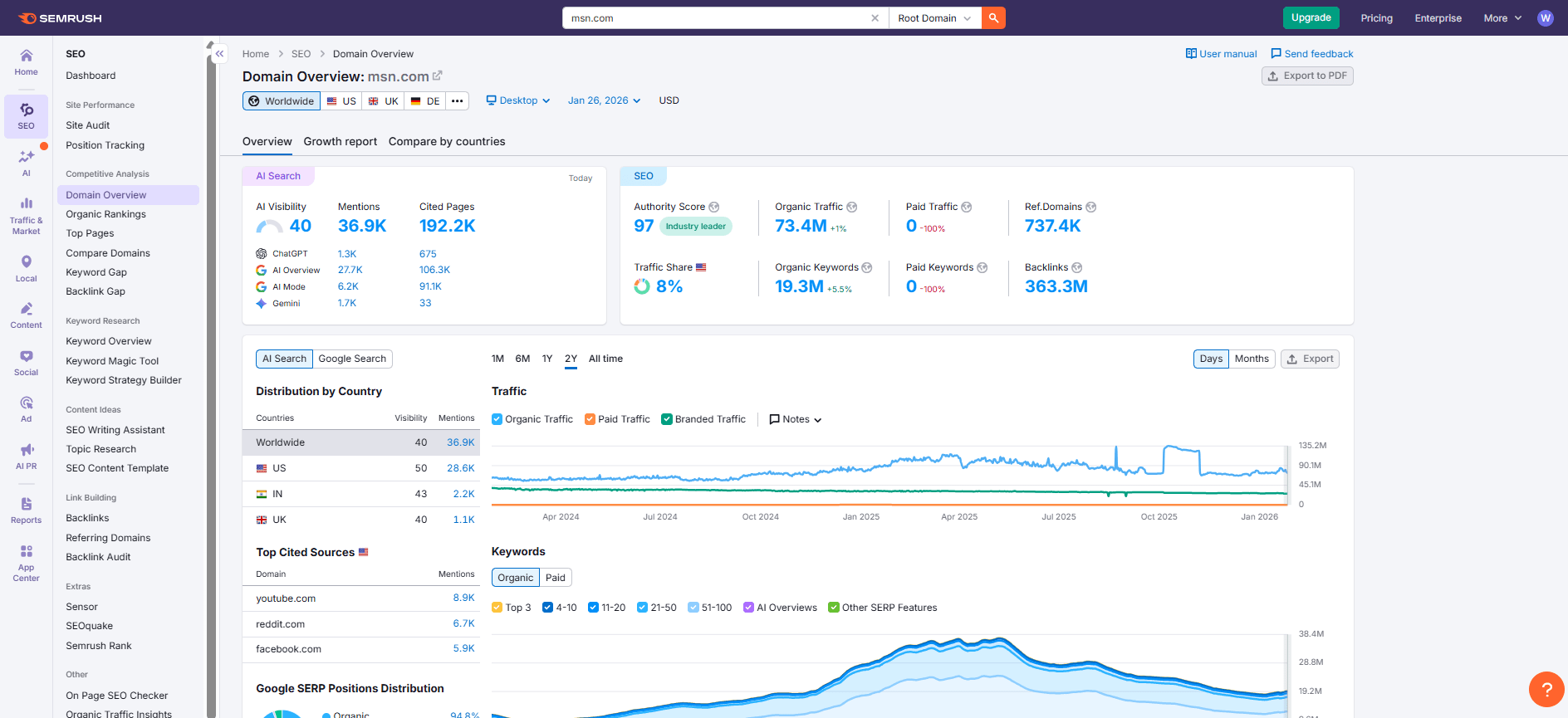
Semrush is used for keyword research, intent analysis, content optimisation, rank tracking, and competitive benchmarking for both SEO and paid search. It’s particularly good at keyword discovery, SERP analysis, and providing actionable recommendations for in-house teams and agencies managing multiple channels.
How Semrush is used in a workflow
SEOs use Semrush to research keywords, analyse SERPs, optimise content, track rankings, and produce client-ready reports from one platform.
What Semrush isn’t for
Deep link intelligence, advanced technical diagnostics, or large-scale log file analysis.
Alternatives to Semrush
Ahrefs, SE Ranking, Moz Pro
Summary
Semrush is best suited to teams that need SEO tightly integrated with wider marketing activity, rather than deep specialisation.
3. SE Ranking
All-in-One SEO Suite
SE Ranking is a cost-effective SEO platform focused on rank tracking, reporting, and core optimisation features.
SE Ranking use cases and strengths
SE Ranking is used for rank tracking, keyword research, site auditing, and client reporting. It performs well for monitoring performance over time, managing multiple projects, and delivering clear, accessible SEO insights.
How SE Ranking is used in a workflow
Teams typically rely on SE Ranking for ongoing rank tracking, audits, competitor monitoring, and automated reporting.
What SE Ranking isn’t for
Deep link analysis or advanced content and technical workflows.
Alternatives to SE Ranking
Semrush, Moz Pro, Ahrefs
Summary
SE Ranking is a strong option for teams of all sizes that need reliable SEO fundamentals without enterprise complexity or cost.
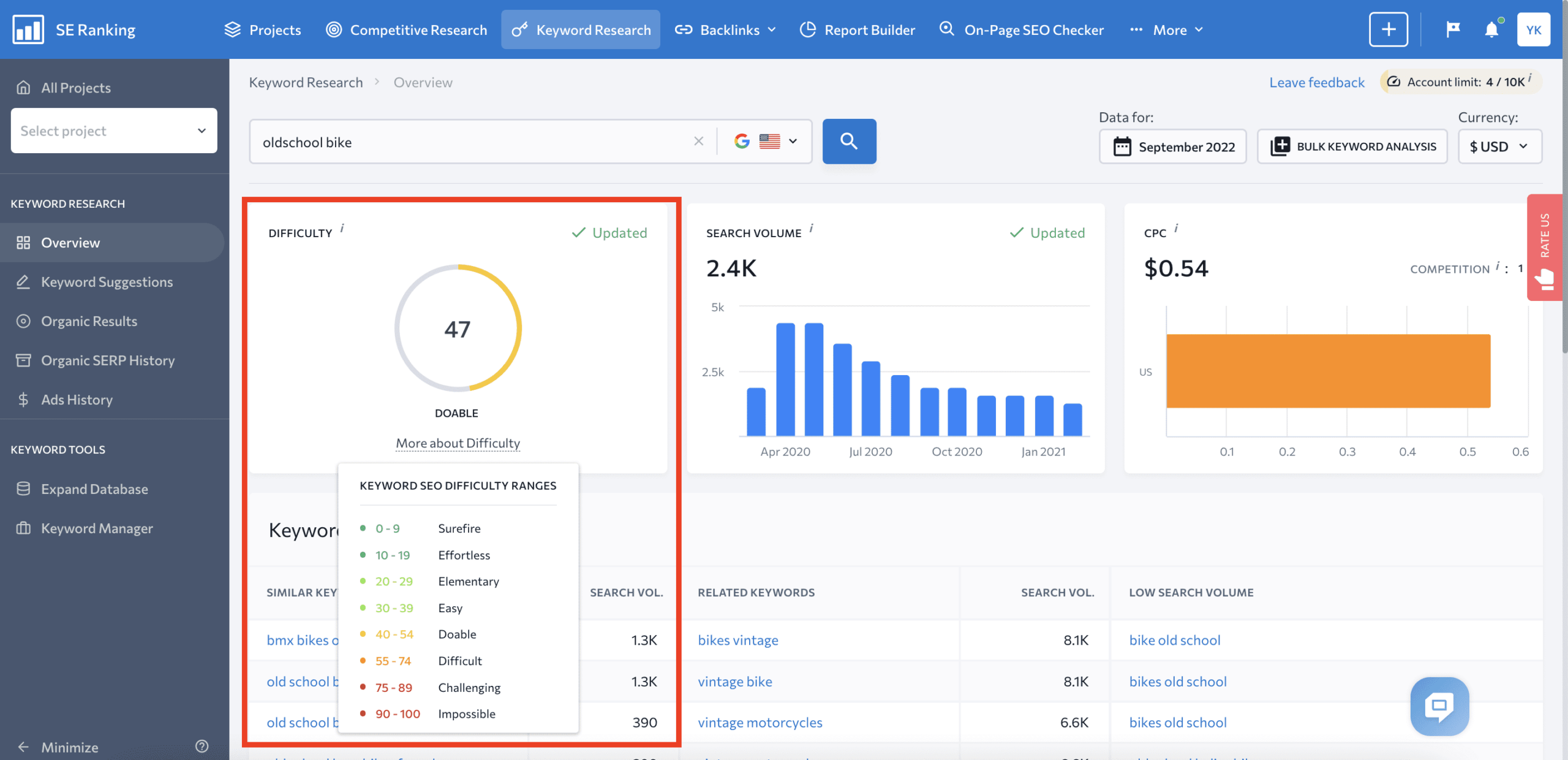
Image Source: SE Ranking
4. Moz Pro
All-in-One SEO Suite
Moz Pro is a long-established SEO platform focused on keyword research, rank tracking, and domain-level authority insights.
Moz Pro use cases and strengths
Moz Pro is used for keyword research, SERP tracking, site auditing, and measuring domain authority trends. It performs well for teams that want straightforward insights, reliable rank tracking, and accessible SEO metrics without excessive complexity.
How Moz Pro is used in a workflow
Teams use Moz Pro for ongoing monitoring of rankings, keyword opportunities, and high-level site health.
What Moz Pro isn’t for
Deep technical SEO, large-scale link intelligence, or advanced content strategy.
Alternatives to Moz Pro
Semrush, SE Ranking, Ahrefs
Summary
Moz Pro suits teams that value clarity and consistency over depth and specialisation.
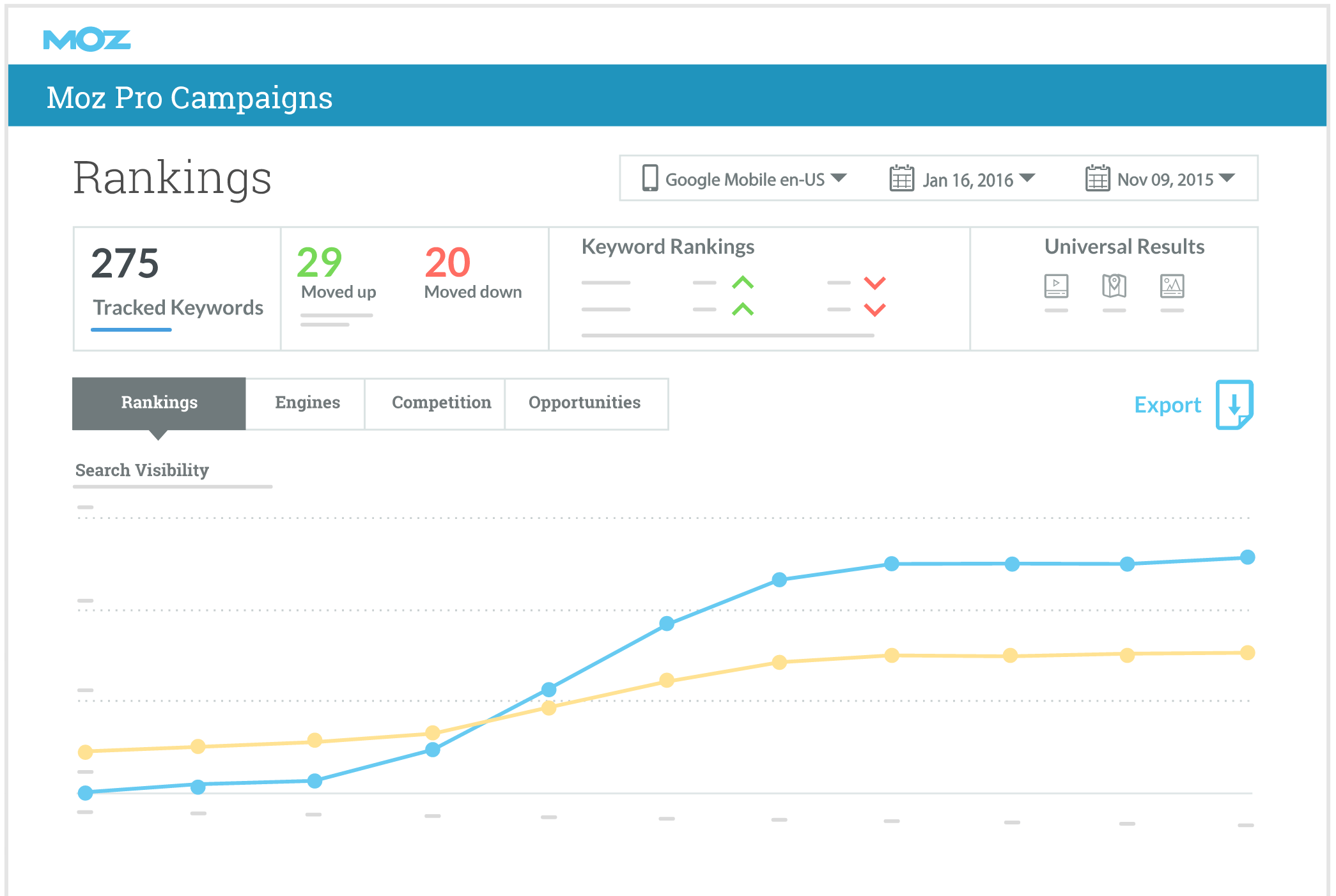
Image Source: MOZ pro
5. Screaming Frog
Technical SEO and Performance Tool
Screaming Frog is a desktop-based SEO crawler used for on-demand analysis of website structure and technical issues.
Screaming Frog use cases and strengths
Screaming Frog is used for crawling sites to identify technical issues such as broken links, indexation problems, duplicate content, redirects, and metadata errors. It excels at forensic SEO, migrations, and one-off audits where full control and custom extraction are required.
How Screaming Frog is used in a workflow
SEOs use it during audits, site migrations, and troubleshooting to diagnose issues before passing prioritised actions to developers.
What Screaming Frog isn’t for
Automated monitoring, large-scale log analysis, or stakeholder reporting.
Alternatives to Screaming Frog
Sitebulb, Lumar
Summary
Screaming Frog is fantastic for hands-on technical SEO and is limited only by the user’s expertise.
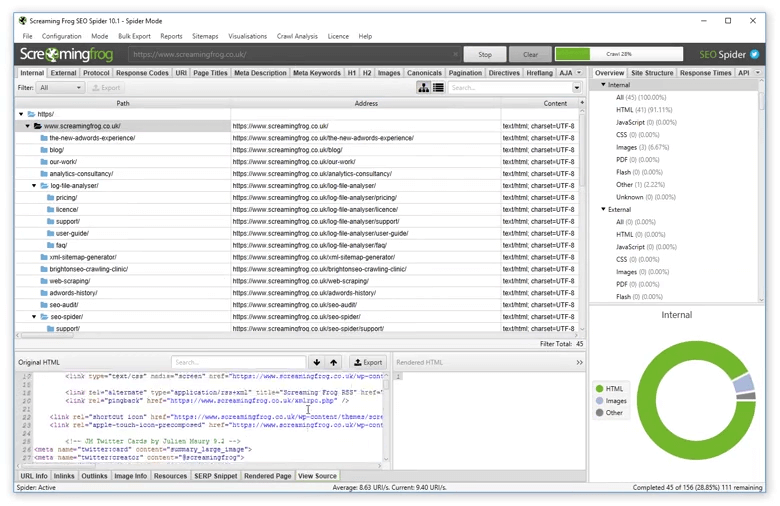
Image Source: Screaming Frog
6. JetOctopus
Technical SEO and Performance Tool
JetOctopus is a cloud-based SEO platform built specifically for log file analysis and crawl budget optimisation.
JetOctopus use cases and strengths
JetOctopus is used to analyse server logs, understand search engine bot behaviour, and identify crawl inefficiencies. It excels on large, complex, or JavaScript-heavy sites where crawl budget, indexation, and rendering issues directly impact performance.
How JetOctopus is used in a workflow
Technical SEOs connect log files to identify wasted crawl paths, prioritise fixes, and validate improvements after deployment.
What JetOctopus isn’t for
Content optimisation, link analysis, or small sites with limited crawl complexity.
Alternatives to JetOctopus
Oncrawl, Splunk
Summary
JetOctopus fills a critical gap that all-in-one SEO tools still fail to address.
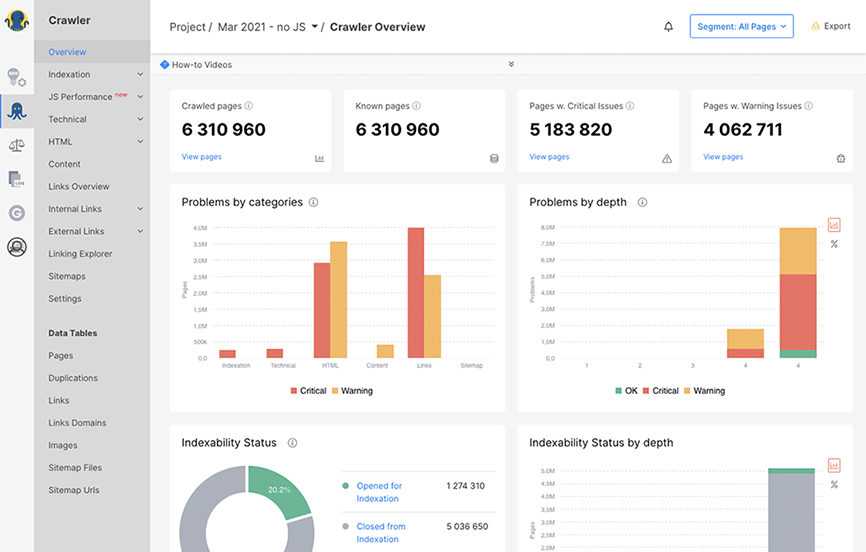
Image Source: JetOctopus
7. PageSpeed Insights and WebPageTest
Technical SEO and Performance Tool
PageSpeed Insights (PSI) and WebPageTest are complementary tools used to assess real-world and diagnostic website performance.
PageSpeed Insights and WebPageTest use cases and strengths
PageSpeed Insights provides real-user Core Web Vitals data from Chrome UX reports, while WebPageTest offers granular diagnostic testing, filmstrips, and repeatable performance analysis. Used together, they provide both impact measurement and root-cause diagnosis.
How PageSpeed Insights and WebPageTest are used in a workflow
SEOs identify performance issues in PSI, then use WebPageTest to isolate technical causes and validate fixes with developers.
What PageSpeed Insights and WebPageTest isn’t for
Ongoing rank tracking or SEO auditing.
Alternatives to PageSpeed Insights and WebPageTest
Lighthouse, GTmetrix
Summary
Accurate performance decisions in 2026 require both tools, not one or the other.
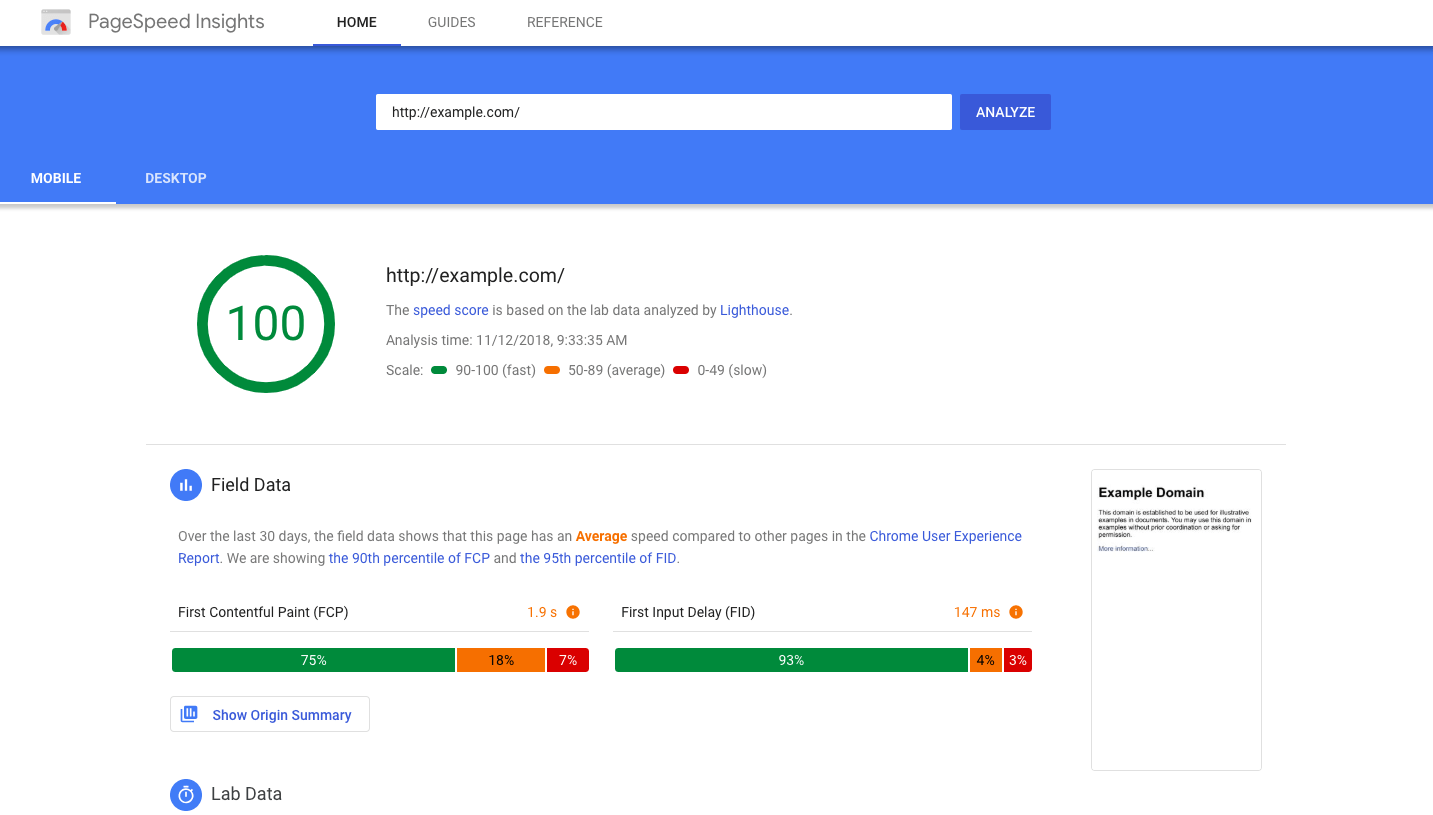
Image Source: Google developers
8. Lumar
Technical SEO and Performance Tool
Lumar is an enterprise-grade technical SEO platform focused on JavaScript rendering, indexation, and large-scale diagnostics.
Lumar use cases and strengths
Lumar is used to monitor rendering issues, crawlability, indexation health, and technical risks across complex websites. It excels at surfacing issues that affect modern frameworks and bridging communication between SEO and engineering teams.
How Lumar is used in a workflow
Teams use Lumar for continuous monitoring, prioritisation of technical debt, and validating fixes across large environments.
What Lumar isn’t for
Small sites, budget-conscious teams, or content-led SEO.
Alternatives to Lumar
Botify, Deepcrawl
Summary
Lumar’s cost is justified where technical SEO complexity directly impacts revenue and scale.
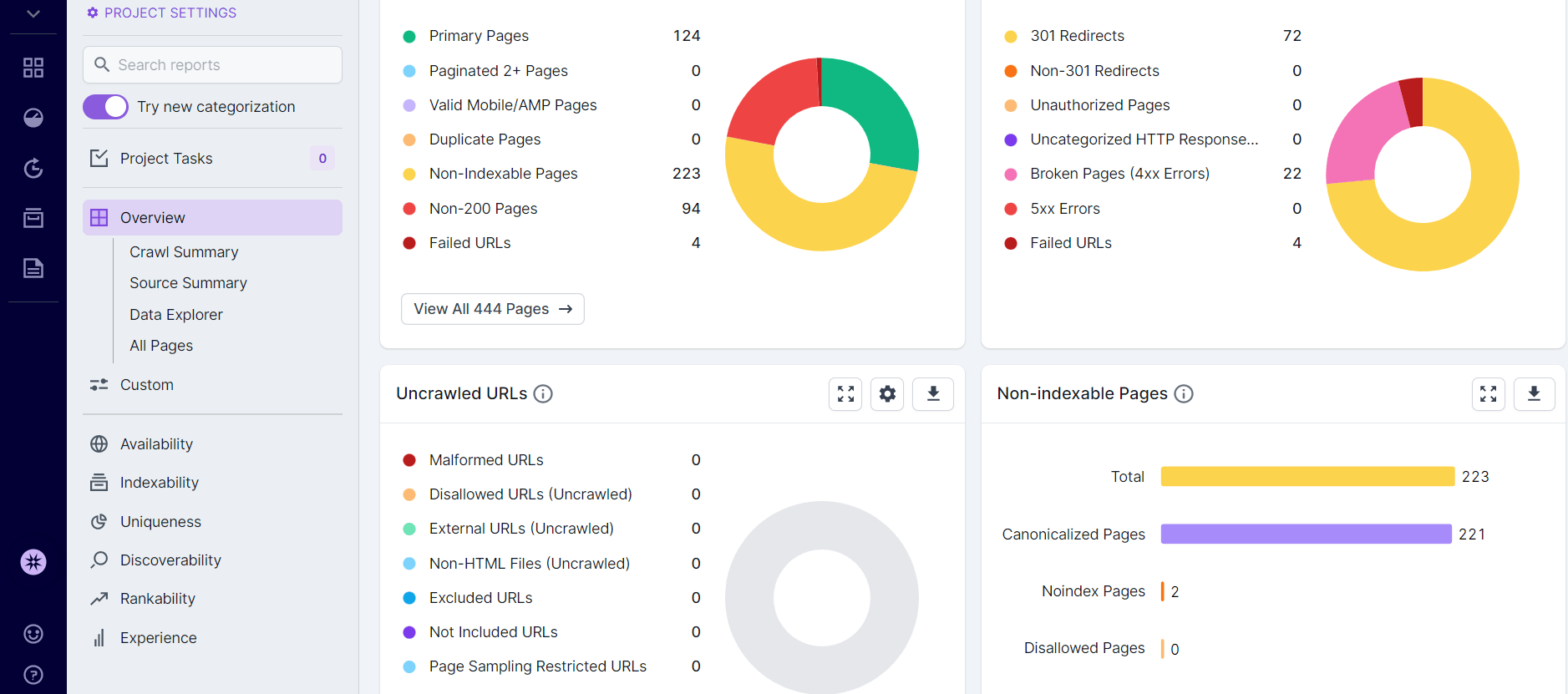
Image Source: Upriseup
9. Oncrawl
Technical SEO and Performance Tool
Oncrawl is a data-driven technical SEO platform designed for large and complex websites.
Oncrawl use cases and strengths
Oncrawl is used to combine crawl data, log files, and analytics to prioritise technical SEO issues based on impact. It helps teams understand how crawl behaviour, site structure, and performance intersect.
How Oncrawl is used in a workflow
Technical SEOs use Oncrawl to identify high-impact issues, validate fixes, and inform development roadmaps.
What Oncrawl isn’t for
Link building or small sites.
Alternatives to Oncrawl
JetOctopus, Lumar
Summary
Oncrawl is best suited to enterprise teams that need data-backed technical prioritisation.
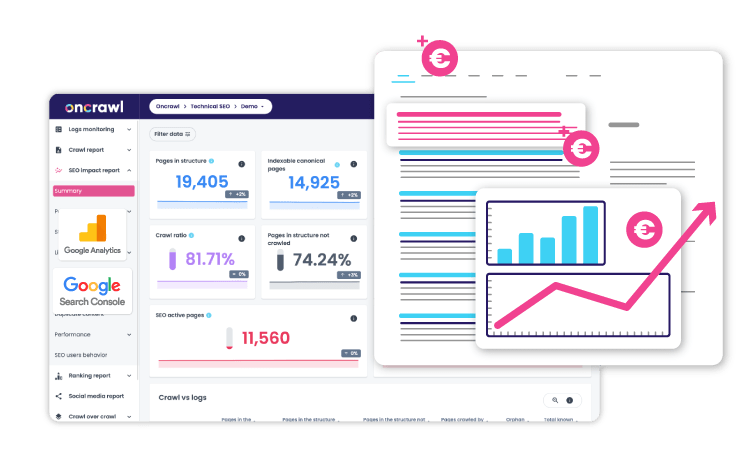
Image Source: oncrawl
10. MarketMuse
Content, Topical Authority and Optimisation Tool
MarketMuse is a content intelligence platform designed to model topical authority and guide long-term content strategy.
MarketMuse use cases and strengths
MarketMuse is used for topic modelling, content gap analysis, and planning comprehensive coverage across subject areas. It can identify what depth and breadth are required to compete for authority, making it valuable for large sites and editorial teams.
How MarketMuse is used in a workflow
Teams use MarketMuse to prioritise content investments, define topic clusters, and guide editorial roadmaps before content creation begins.
What MarketMuse isn’t for
Quick page-level optimisation or low-budget content workflows.
Alternatives to MarketMuse
Surfer, Clearscope
Summary
MarketMuse is unmatched for strategic content SEO, but its cost and complexity suit more mature programmes.
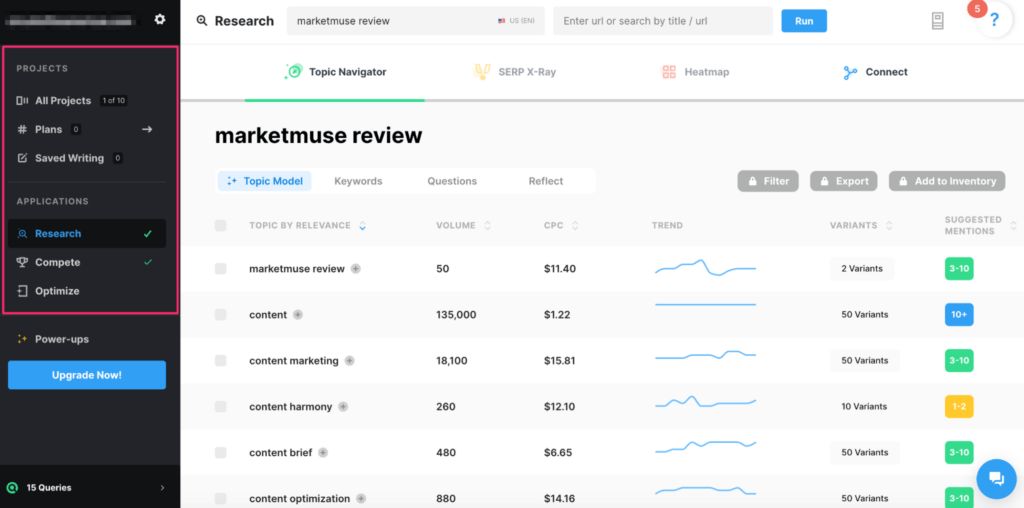
Image Source: Codeless
11. AlsoAsked
Content, Topical Authority and Optimisation Tool
AlsoAsked is a visual search intent tool that maps question-based queries around a topic.
AlsoAsked use cases and strengths
AlsoAsked is used to understand how users explore topics through questions, particularly within People Also Ask and AI-driven SERP features. It’s a unique tool that reveals intent patterns that support content structuring for zero-click and AI Overview visibility.
How AlsoAsked is used in a workflow
SEOs use AlsoAsked during content planning to structure articles, FAQs, and supporting pages around real user questions.
What AlsoAsked isn’t for
Content scoring, keyword difficulty analysis, or performance tracking.
Alternatives to AlsoAsked
AnswerThePublic, Semrush
Summary
AlsoAsked offers a narrow but concise view of intent that complements broader content tools.
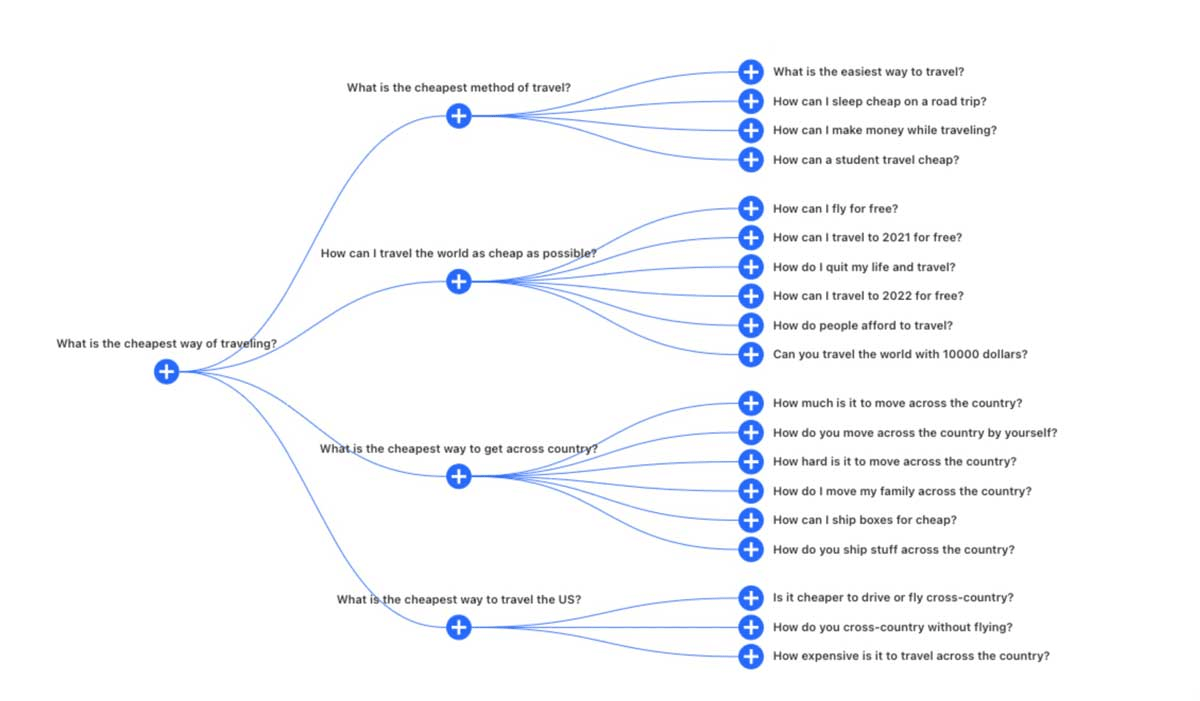
Image Source: Zenspill
12. Clearscope
Content, Topical Authority and Optimisation Tool
Clearscope is a premium content relevance and authority platform designed to support both editorial execution and AI-era search visibility.
Clearscope use cases and strengths
Clearscope helps teams create expert-level content using real-time semantic guidance, while its newer Topic Explorations and content inventory features support high-level topical authority planning. It also tracks content decay and visibility across AI Overviews and answer engines, extending beyond traditional page-level optimisation.
How Clearscope is used in a workflow
Strategists plan topic clusters, editors define briefs, and writers draft content with live grading via Docs or CMS integrations.
What Clearscope isn’t for
Technical SEO audits, backlink building, or low-budget content production.
Alternatives to Clearscope
MarketMuse, Surfer, Frase
Summary
Clearscope bridges editorial quality, topical authority, and AI search visibility in a single workflow.
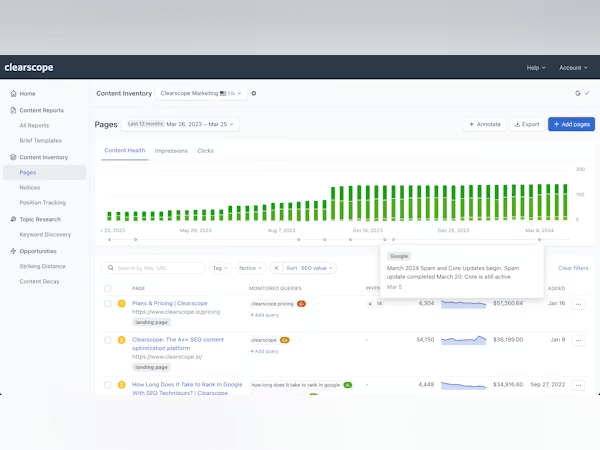
Image Source: Capterra
13. BuzzSumo
Link Intelligence and Authority Tool
BuzzSumo is a content research and brand monitoring platform widely used in digital PR and content marketing.
BuzzSumo use cases and strengths
BuzzSumo is used to discover trending topics, monitor brand mentions, identify journalists, and analyse content performance. It supports PR-led SEO strategies by revealing where coverage opportunities exist beyond traditional backlinks.
How BuzzSumo is used in a workflow
Teams use BuzzSumo to track brand mentions, identify outreach targets, and support digital PR campaigns aligned with SEO goals.
What BuzzSumo isn’t for
Technical link analysis or backlink auditing.
Alternatives to BuzzSumo
Meltwater, Brandwatch
Summary
BuzzSumo strengthens SEO authority by expanding focus from links to brand visibility and coverage.
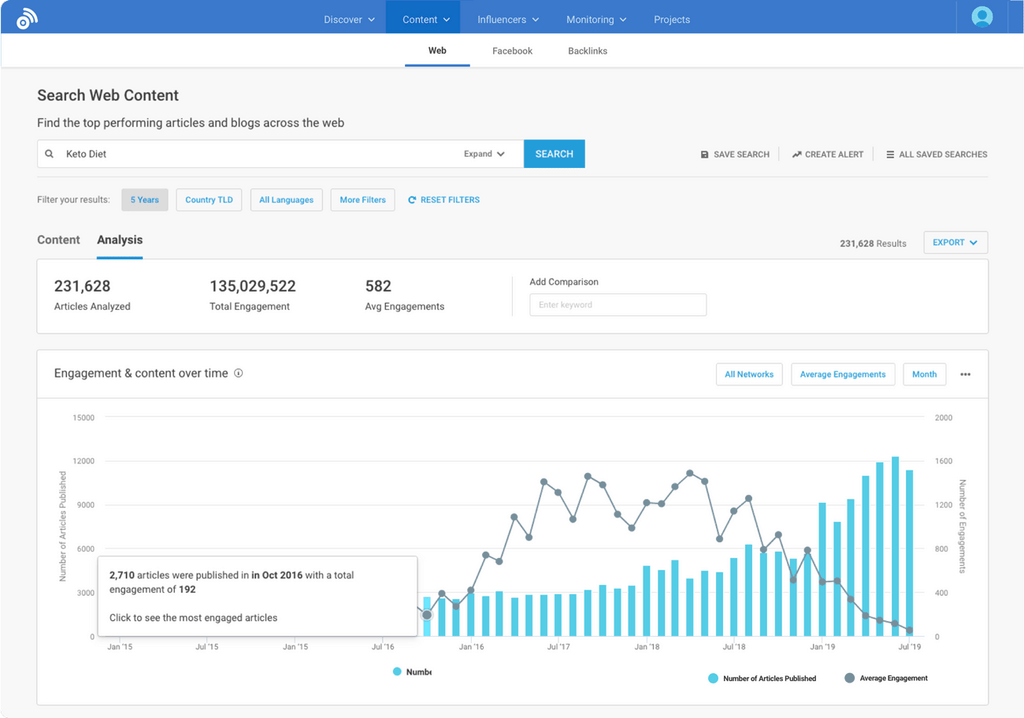
Image Source: Buzzsumo
14. Muck Rack
Link Intelligence and Authority Tool
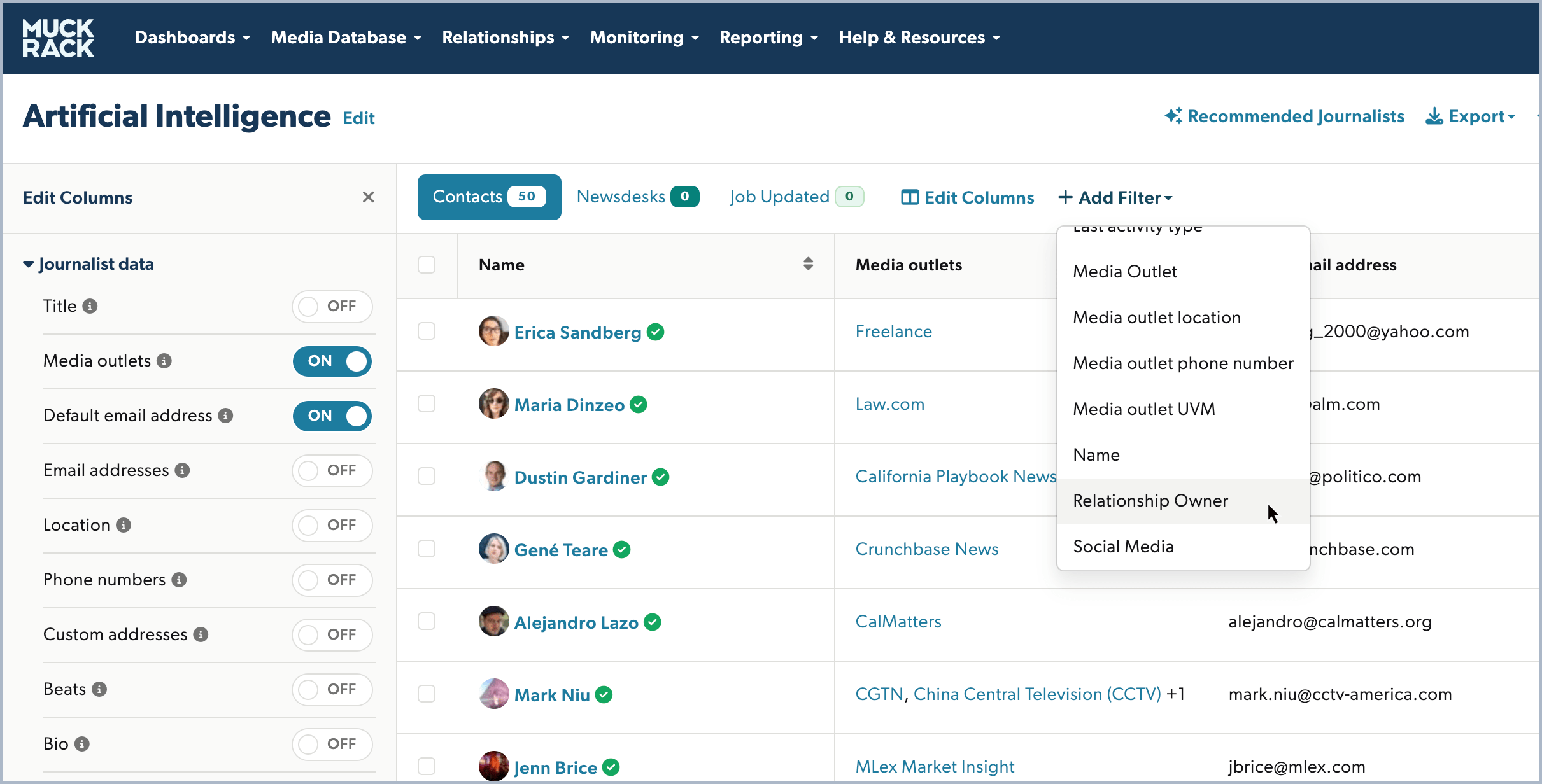
Muck Rack is a PR management platform that helps brands build authority through earned media and journalist relationships.
Muck Rack use cases and strengths
Muck Rack is used for journalist discovery, media relationship management, and tracking earned coverage. In 2026, its value extends beyond just backlinks. Consistent media presence helps brands appear in the datasets that influence AI answers and entity understanding across search engines.
How Muck Rack is used in a workflow
SEO and PR teams use Muck Rack to plan outreach, manage relationships, and measure coverage that reinforces brand authority and trust.
What Muck Rack isn’t for
SEO audits, keyword research, or backlink analysis.
Alternatives to Muck Rack
Cision, BuzzStream
Summary
Muck Rack supports modern authority building by strengthening brand visibility across search, media, and AI-driven ecosystems.
15. BuzzStream
Link Intelligence and Authority Tool
BuzzStream is an outreach and relationship management platform built for executing link building and digital PR campaigns.
BuzzStream use cases and strengths
BuzzStream is used to manage outreach campaigns, track conversations, and organise link and PR prospects. Its AI-assisted prospecting helps teams identify and prioritise relevant contacts, adding efficiency without replacing human judgment.
How BuzzStream is used in a workflow
Teams use BuzzStream to manage outreach lists, track responses, and measure earned links or coverage across campaigns.
What BuzzStream isn’t for
Link analysis, keyword research, or technical SEO.
Alternatives to BuzzStream
Pitchbox, Muck Rack
Summary
BuzzStream operationalises PR-led SEO by turning opportunity discovery into structured, repeatable execution.
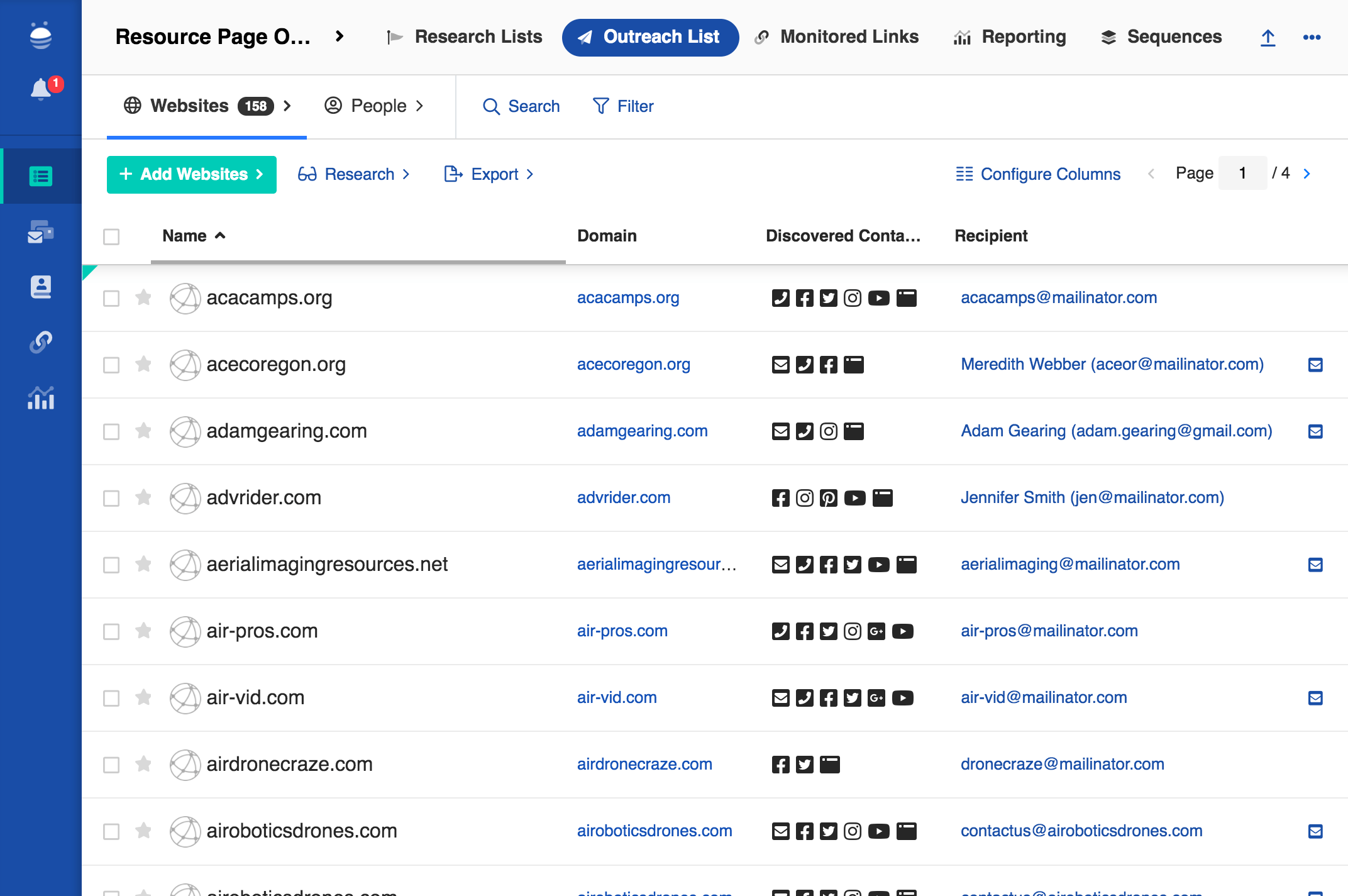
Image Source: buzzstream
16. Majestic
Link Intelligence and Authority Tool
Majestic is a specialist link intelligence platform focused exclusively on backlink data and authority analysis.
Majestic use cases and strengths
Majestic is used for in-depth backlink analysis, link quality assessment, and understanding authority through topical trust signals. It excels at evaluating link relevance and strength using metrics such as Trust Flow and Citation Flow, making it valuable for forensic link audits and competitive authority analysis.
How Majestic is used in a workflow
SEOs use Majestic to audit link profiles, assess link quality, analyse topical relevance, and validate digital PR outcomes independently of all-in-one suites.
What Majestic isn’t for
Keyword research, content optimisation, or technical SEO diagnostics.
Alternatives to Majestic
Ahrefs, Semrush
Summary
Majestic offers unmatched depth for pure link analysis and is best used as a specialist authority validation tool.
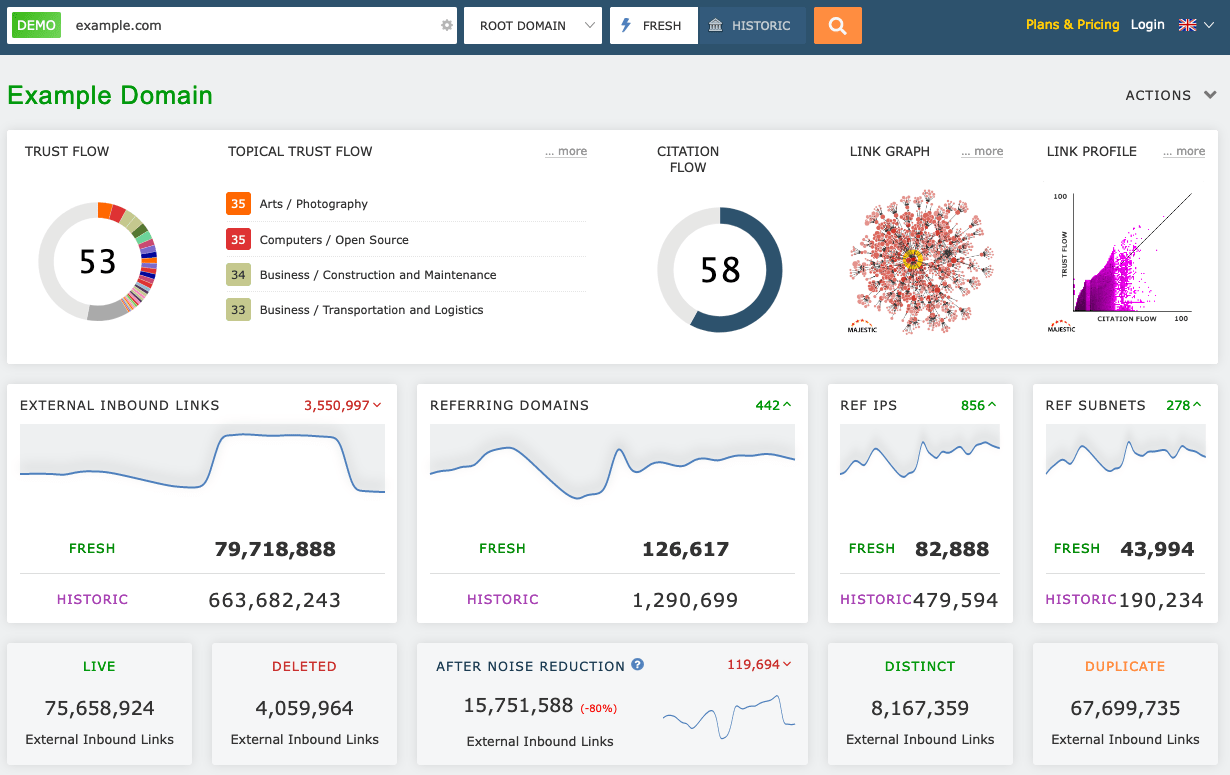
Image Source: Majestic
17. BrightLocal
Local SEO and Reputation Tool
BrightLocal is a specialist platform designed to manage and measure local search visibility, reviews, and citations.
BrightLocal use cases and strengths
BrightLocal is used for local pack tracking, review monitoring, citation management, and reporting across single or multiple locations. It provides clear insights into local visibility and reputation, making it particularly effective for agencies and brands managing multiple listings.
How BrightLocal is used in a workflow
Teams use BrightLocal to monitor rankings, manage reviews, audit citations, and report local performance to stakeholders.
What BrightLocal isn’t for
National SEO, technical site audits, or content optimisation.
Alternatives to BrightLocal
Moz Local, Yext
Summary
BrightLocal is a scalable solution for reputation-driven local SEO in competitive markets.
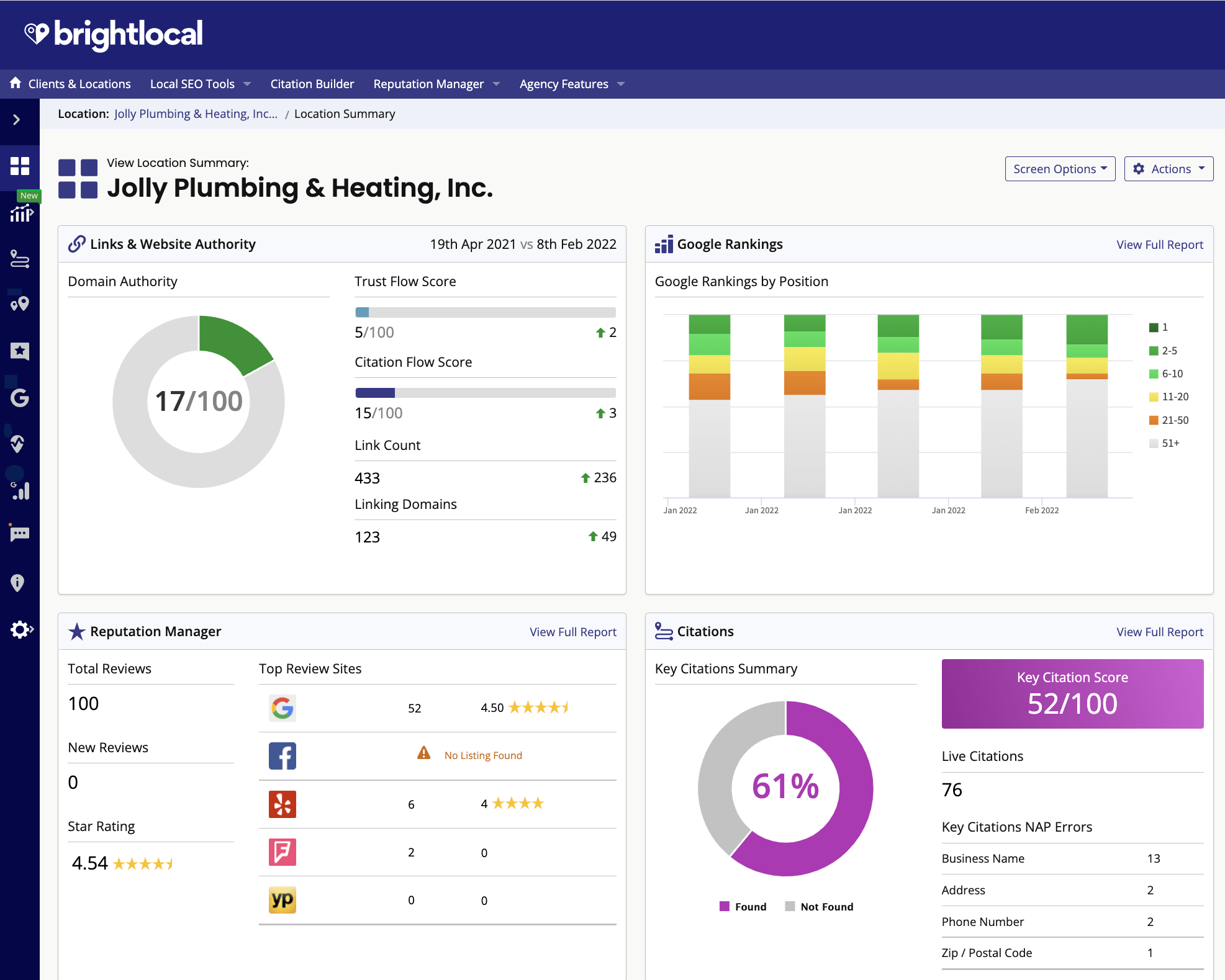
Image Source: Capterra
18. Whitespark
Local SEO and Reputation Tool
Whitespark is a focused local SEO tool best known for citation discovery and competitive local analysis.
Whitespark use cases and strengths
Whitespark is used to identify citation opportunities, analyse competitors’ local profiles, and improve local prominence. It’s especially effective competitive local markets where accurate citations and proximity signals make a measurable difference.
How Whitespark is used in a workflow
SEOs use Whitespark to uncover missing or inconsistent citations and prioritise corrective actions for local listings.
What Whitespark isn’t for
Review management, broad reporting, or multi-channel SEO.
Alternatives to Whitespark
BrightLocal, Semrush Local
Summary
Whitespark is a valuable specialist tool for local SEO that is accurate and precise.
Image Source: WhiteSpark
19. Looker Studio
Reporting, Measurement and Automation Tool
Looker Studio is a flexible data visualisation platform used to create custom SEO dashboards for stakeholders.
Looker Studio use cases and strengths
Looker Studio is used to combine SEO data from GA4, Google Search Console, and third-party tools into clear, shareable dashboards. It translates complex SEO performance into insights that non-technical stakeholders can understand.
How Looker Studio is used in a workflow
Teams use Looker Studio to build ongoing reporting views that track visibility, traffic, and outcomes across channels.
What Looker Studio isn’t for
Data extraction, cleansing, or automated integrations without connectors.
Alternatives to Looker Studio
Power BI, Tableau
Summary
Looker Studio offers unmatched reporting flexibility, provided teams invest in the proper setup.
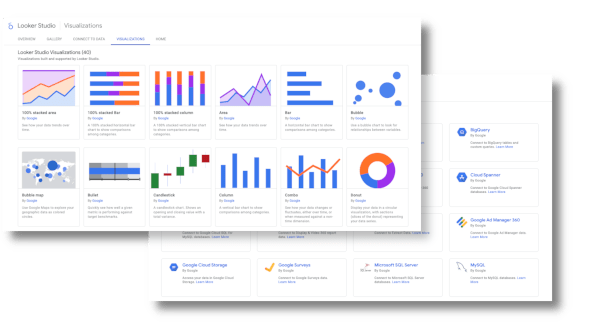
Image Source: Google Developer
20. Supermetrics
Reporting, Measurement and Automation Tool
Supermetrics is a data integration and marketing intelligence platform designed to move data reliably between tools and reporting environments.
Supermetrics use cases and strengths
Supermetrics is used to extract, normalise, and automate data from SEO tools, analytics platforms, and ad networks. It helps to maintain clean and reliable data pipelines that support accurate SEO reporting and forecasting.
How Supermetrics is used in a workflow
Teams use Supermetrics behind the scenes to feed dashboards, spreadsheets, and BI tools with consistent data.
What Supermetrics isn’t for
Visual reporting, SEO analysis, or stakeholder communication.
Alternatives to Supermetrics
Funnel, Stitch
Summary
Supermetrics is rarely seen by clients, but it supports trustworthy SEO reporting at scale.
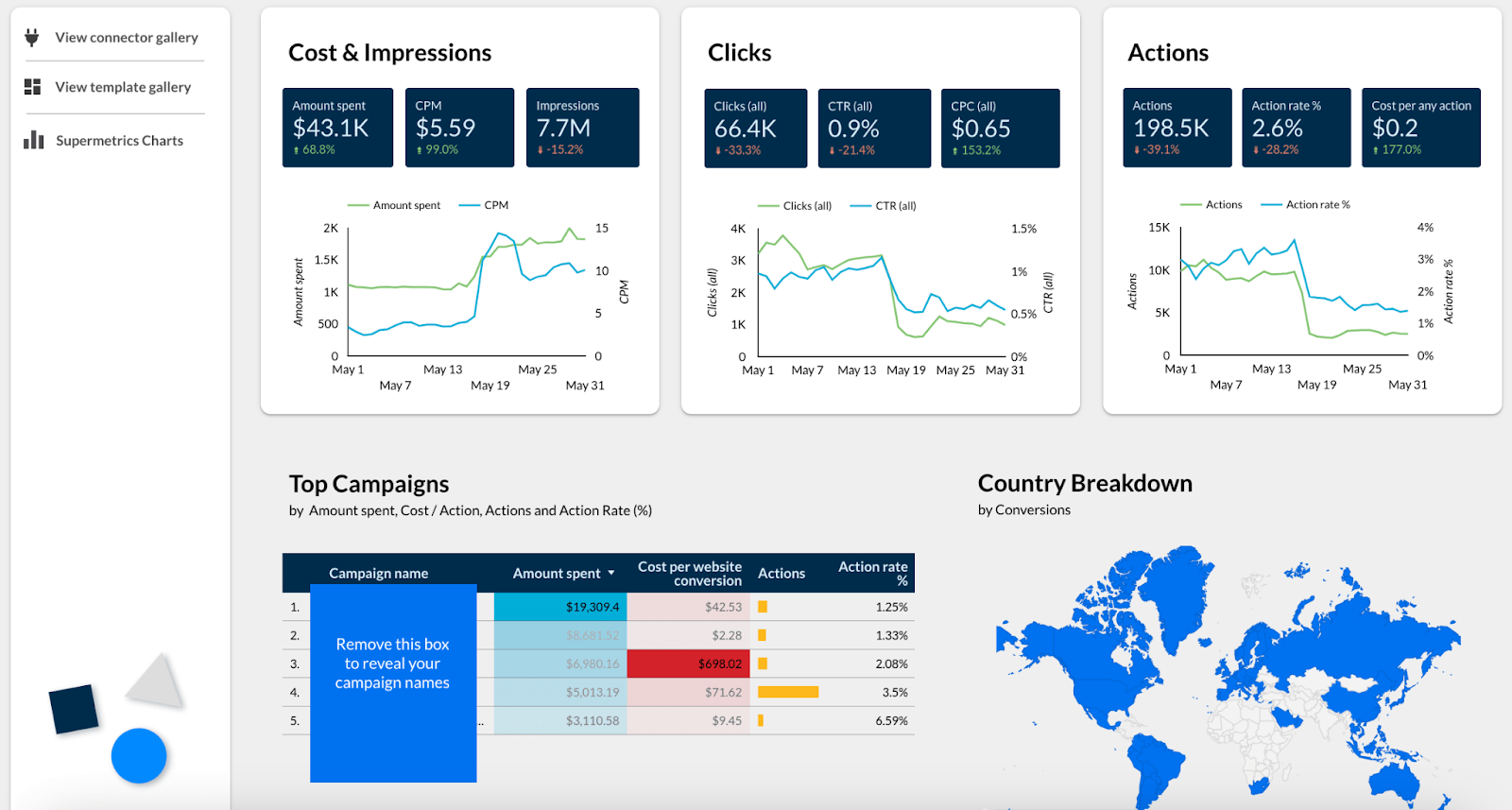
Image Source: Polymer
21. SEOmonitor
Reporting, Measurement and Automation Tool
SEOmonitor is an SEO forecasting and measurement platform focused on predicting impact rather than reporting past activity.
SEOmonitor use cases and strengths
SEOmonitor is used for keyword forecasting, scenario modelling, and measuring SEO performance against expectations. It excels at helping agencies and in-house teams justify investment and communicate potential outcomes.
How SEOmonitor is used in a workflow
Teams use SEOmonitor to build forecasts, track performance against projections, and support commercial decision-making.
What SEOmonitor isn’t for
Technical audits, content optimisation, or link analysis.
Alternatives to SEOmonitor
Looker Studio, internal forecasting models
Summary
SEOmonitor elevates SEO reporting from metrics to business impact.
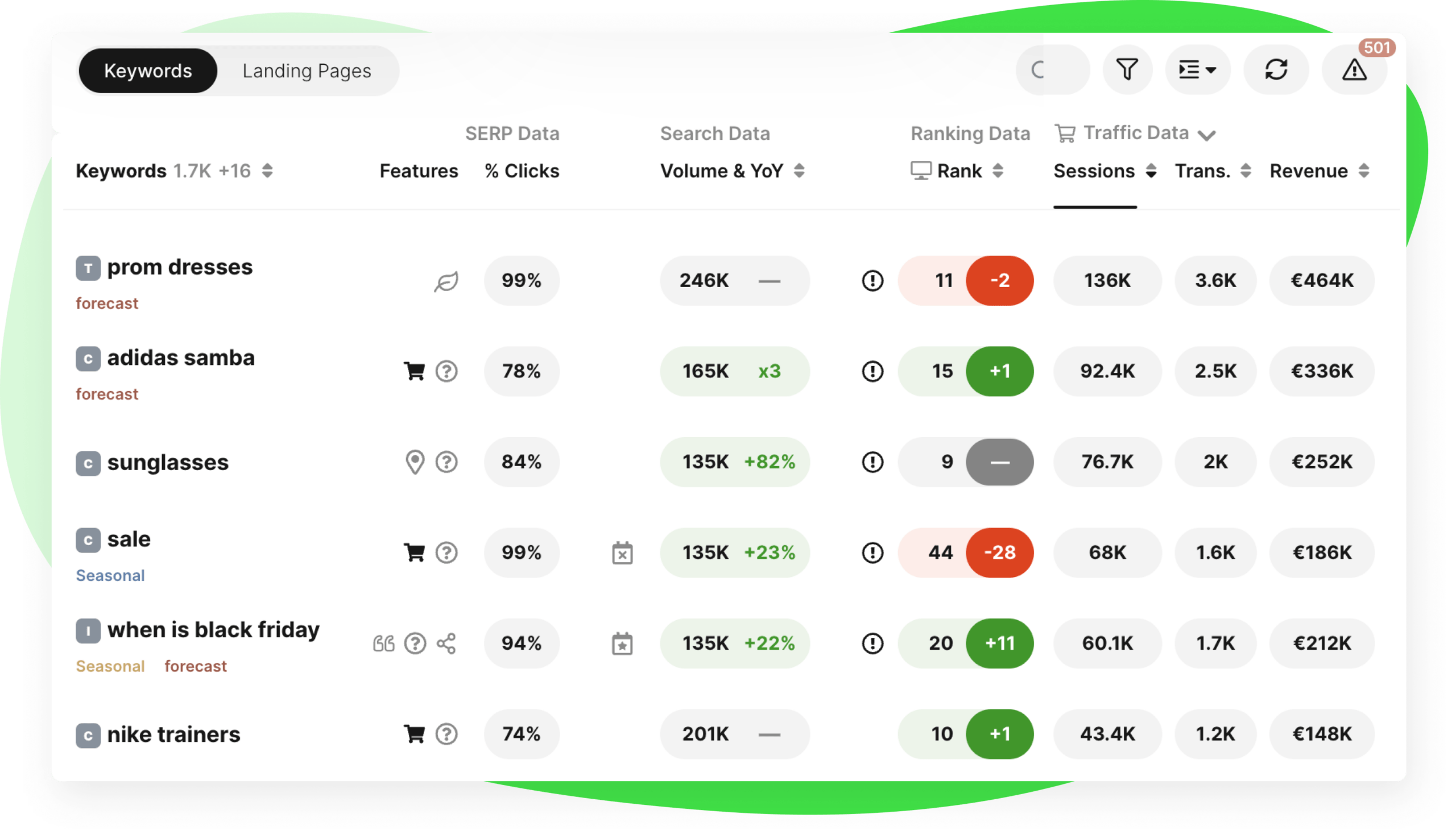
Image Source: SEOmonitor
22. ChatGPT
AI and Workflow Assist Tool
ChatGPT is an AI language model used to support SEO thinking and execution, rather than replace it.
ChatGPT use cases and strengths
ChatGPT is used for content ideation, outlining, SERP summarisation, and turning large volumes of SEO data into workable insights. It can accelerate early-stage thinking and reduce manual effort in planning and analysis.
How ChatGPT is used in a workflow
SEOs use ChatGPT to draft outlines, summarise SERPs, generate hypotheses, and support internal documentation before human review.
What ChatGPT isn’t for
Publishing unedited content, fact-checking, or making strategic decisions.
Alternatives to ChatGPT
Claude, Gemini
Summary
ChatGPT is a powerful accelerator when tightly governed, but unsafe as an autonomous SEO tool.
23. Zapier
AI and Workflow Assist Tool
Zapier is an automation platform used to connect SEO tools and reduce repetitive manual tasks.
Zapier use cases and strengths
Zapier is used to automate reporting workflows, trigger alerts, and move data between SEO, analytics, and reporting tools. It excels at improving operational efficiency and keeping teams focused on analysis rather than data handling.
How Zapier is used in a workflow
Teams use Zapier to automate data transfers, notifications, and routine processes across SEO tools.
What Zapier isn’t for
SEO strategy, analysis, or decision-making.
Alternatives to Zapier
Make, n8n
Summary
Zapier improves SEO workflows when carefully governed, but adds risk and complexity if left unmanaged.
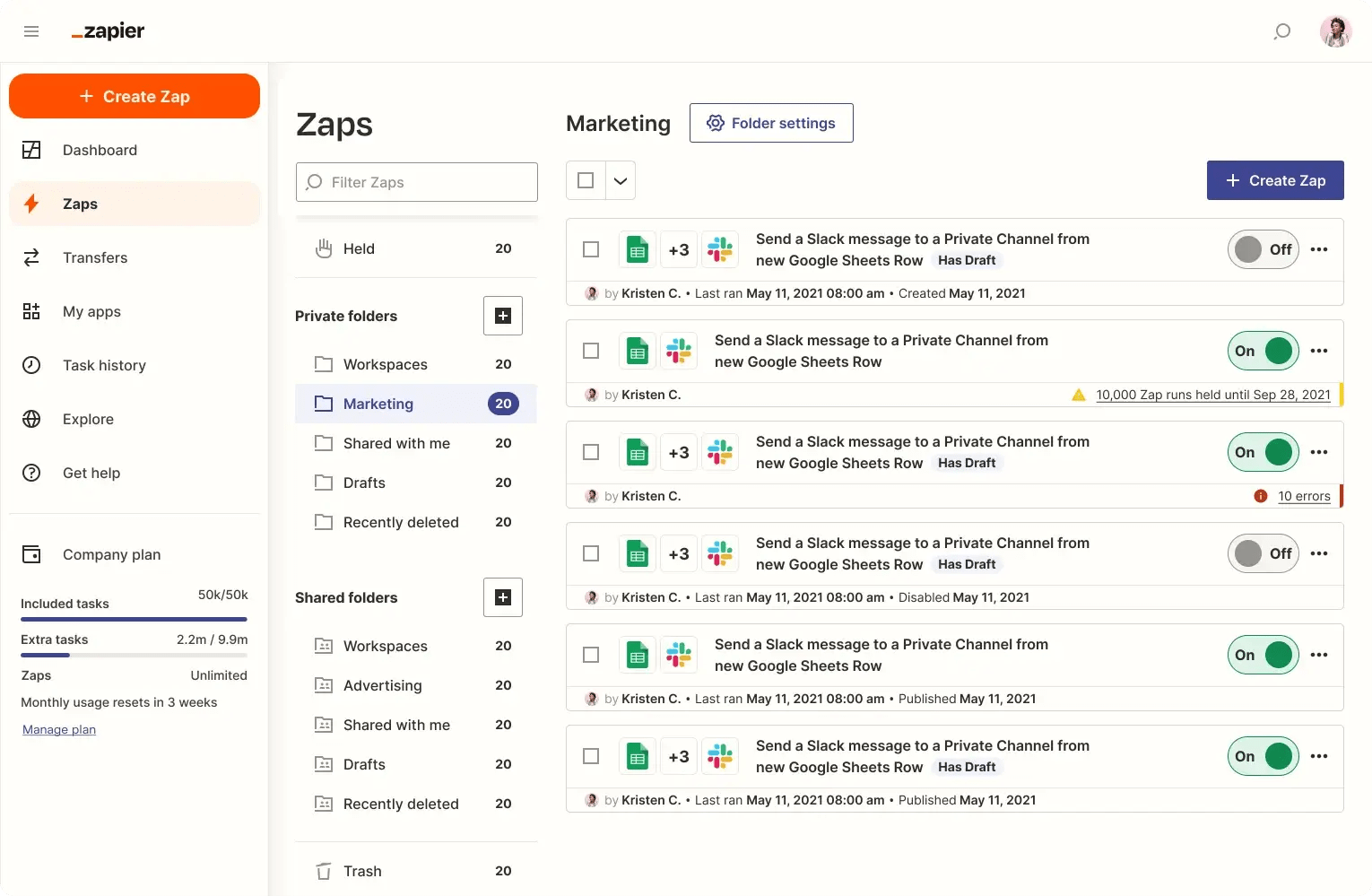
Image Source: Blinno
24. Make
AI and Workflow Assist Tool
Make is a visual automation platform used to build complex, logic-based workflows between SEO, analytics, and reporting tools.
Make use cases and strengths
Make is used to automate data processing, reporting pipelines, alerts, and multi-step SEO workflows. It handles complex logic, branching scenarios, and large data volumes that simpler automation tools struggle with.
How Make is used in a workflow
Teams use Make to orchestrate SEO data flows between tools such as GSC, GA4, crawlers, and BI platforms with greater control than no-code alternatives.
What Make isn’t for
SEO strategy, analysis, or content creation.
Alternatives to Make
Zapier, n8n
Summary
Make suits advanced teams that need robust, scalable automation without sacrificing control.
25. ZipTie
AI and Workflow Assist Tool
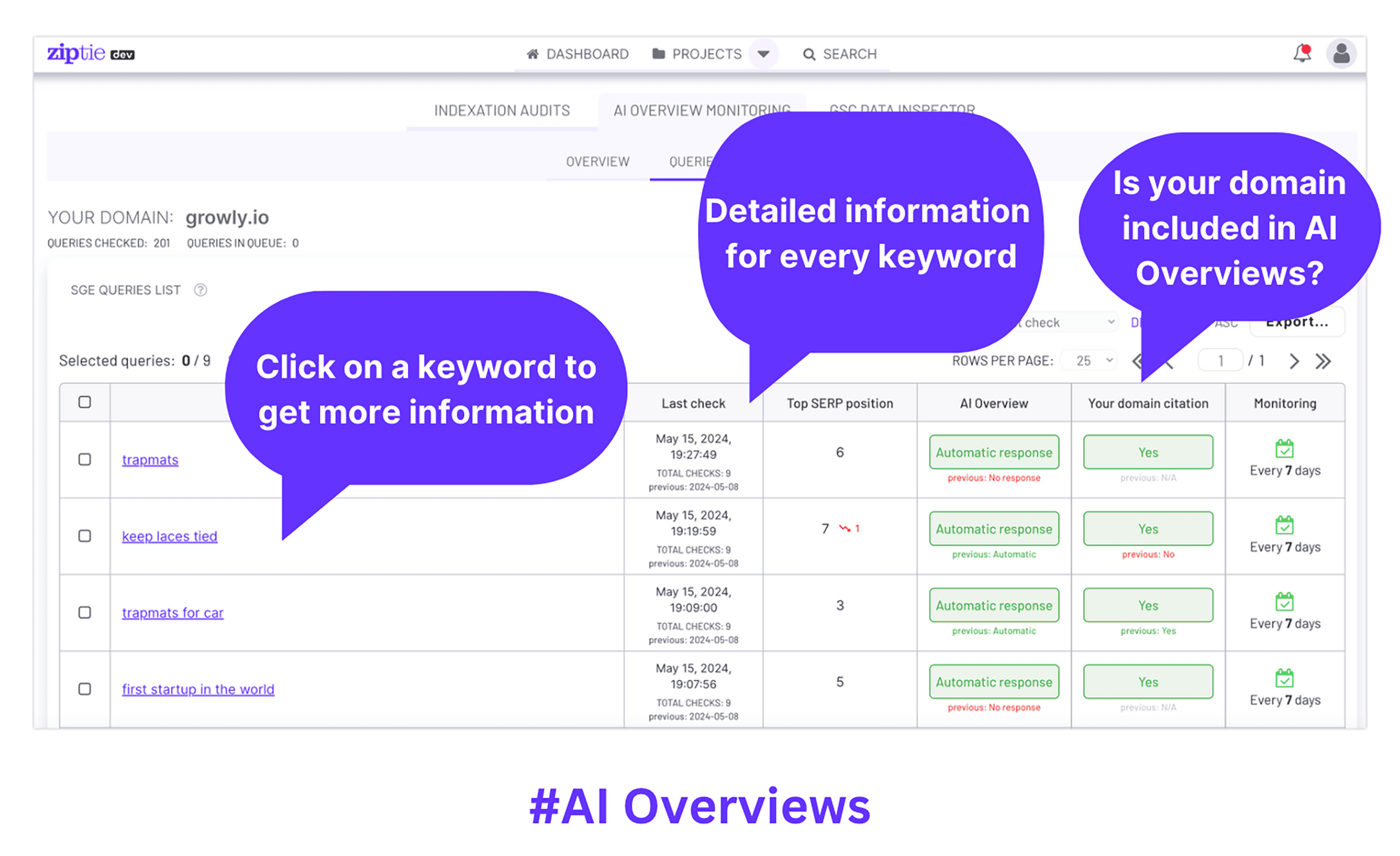
ZipTie is an AI-assisted SEO monitoring platform focused on SERP change detection and search behaviour shifts.
ZipTie use cases and strengths
ZipTie is used to track SERP volatility, detect intent shifts, and monitor competitive changes over time. It can also perform pattern recognition across large keyword sets without generating content.
How ZipTie is used in a workflow
ZipTie is used to identify emerging risks or opportunities and adjust strategy proactively.
What ZipTie isn’t for
Content creation, keyword research, or technical SEO.
Alternatives to ZipTie
STAT, AccuRanker
Summary
ZipTie fills the measurement gap between traditional SEO and AI-driven search visibility.
Recommended SEO Tool Stacks
Tool Stack #1 – Solo Founder or Small Business
Goals
Visibility, fundamentals, and efficiency without tool overload.
Tools
- SE Ranking: Rank tracking, keyword research, basic audits
- Screaming Frog: Periodic technical checks
- Clearscope: Content quality and relevance
- BrightLocal (if applicable): Local visibility and reviews
- ChatGPT: Ideation, outlining, synthesis
This stack covers rankings, content quality, and basic technical hygiene with minimal cost and complexity while avoiding enterprise tools that would slow execution.
Tool Stack #2 – Small In-House SEO Team
Goals
Scalable growth, content depth, and reliable reporting.
Tools
- Semrush: Keyword research, SERP analysis, reporting
- MarketMuse: Topical authority planning
- Screaming Frog: Ongoing technical audits
- PageSpeed Insights and WebPageTest: Performance diagnostics
- Looker Studio: Stakeholder reporting
This stack balances strategy and execution with MarketMuse driving long-term authority, Semrush handling day-to-day SEO, and Looker Studio translating results internally.
Tool Stack #3 – Agency or Consultant
Goals
Competitive insight, authority building, forecasting, and client reporting.
Tools
- Ahrefs: Competitive and authority research
- Screaming Frog: Audits and migrations
- BuzzSumo: PR opportunity discovery
- BuzzStream: Outreach execution
- SEOmonitor: Forecasting and commercial justification
- Supermetrics: Reliable reporting pipelines
Agencies need proof, not just performance. This stack supports authority acquisition, forecasting, and defensible client reporting without enterprise overhead.
Tool Stack #4 – Enterprise or Multi-Market SEO
Goals
Authority at scale, technical resilience, and AI-era visibility.
Tools
- Lumar: Enterprise technical monitoring
- Oncrawl: Data-led technical prioritisation
- JetOctopus: Crawl budget and bot behaviour
- MarketMuse: Authority modelling
- Muck Rack: Media authority and entity reinforcement
- Majestic: Forensic authority validation
- ZipTie: SERP volatility and intent monitoring
- Make: Complex workflow automation
Enterprise SEO is about risk reduction and authority consistency. This stack prioritises crawl control, topical dominance, brand presence in AI datasets, and automation at scale.
FAQs
Do I still need multiple SEO tools in 2026?
It’s ideal to use multiple different tools as modern SEO requires specialised tools, each covering a different facet of marketing such as authority, content, technical performance, and reporting.
Are AI SEO tools replacing traditional SEO software?
While powerful, AI SEO tools won’t necessarily replace traditional SEO software because SEO still depends on technical accuracy, authority building, and human strategy.
What is the minimum SEO tool stack for small businesses?
We’d suggest having at least a rank tracker, basic technical crawler, content optimisation tool, and simple reporting setup. Together, this should be enough for sustainable small-business SEO.
Do backlinks still matter in 2026?
Yes, but authority now also comes from brand mentions, media coverage, and entity recognition, not just traditional backlinks alone.
How do SEO tools support AI-driven search results?
SEO tools help you understand what people are really searching for, often by analysing intent, structuring content semantically, monitoring SERP changes, and also improving brand visibility within AI-generated answers and summaries.
Are all-in-one SEO tools enough for advanced teams?
In most cases, no, as most advanced marketing teams will need to use specialised tools for things such as technical SEO, content strategy, and authority analysis. So while all-in-one tools are efficient, they can’t handle everything at a high level.
How should agencies justify SEO investment to clients?
By forecasting outcomes, tracking authority growth, and linking SEO performance to measurable business impact.
What’s the biggest SEO tool mistake teams make?
Investing in overlapping tools without a clear workflow, leading to duplicated data, higher costs, and unclear decision-making.
How often should SEO tools be reviewed or replaced?
Ideally on an annual basis, as search behaviour, AI features, and business needs change quickly, so tool stacks should evolve alongside strategy.
How important is topical authority compared to keywords?
Topical authority now outweighs individual keywords. Search engines today tend to prioritise comprehensive coverage and entity relevance across entire subject areas.
Final Verdict: How to Choose the Right SEO Tools in 2026
Looking at the most popular or comprehensive SEO tools in 2026 won’t lead to the best tool stack. Instead, it’s important to look at tools that support clear decisions. You should be prioritising tools that strengthen authority, reveal intent, protect technical performance, and lead to measurable impact.
Build intentional stacks around your team’s needs, avoid unnecessary overlap, and treat SEO tools as strategic infrastructure instead of shortcuts.