


10 Proven Link Acquisition Strategies You Need to Know
10 Proven Link Acquisition Strategies You Need to Know
Link acquisition is still one of the clearest signals that your content is useful beyond your own site. Not because links are a vanity metric, but because they are a public record of trust: another publisher chose to send their readers your way.
The best part is that earning links is rarely about “tricks”. It is about publishing something worth referencing, then making it easy for the right people to find it, assess it, and cite it.
The Critical Role of SEO in Link Acquisition Strategies
SEO, or Search Engine Optimisation, is the cornerstone of any successful digital marketing strategy, and its significance cannot be overstated when discussing link acquisition. At its core, SEO involves optimising your website and content to improve visibility in search engine results, thereby attracting more organic traffic. High-quality backlinks are a critical ranking factor in SEO, as they signal to search engines that your content is authoritative and trustworthy. Each link acquisition strategy you implement should be viewed through the lens of how it enhances your site’s SEO. For instance, earning backlinks from reputable sources not only drives referral traffic but also boosts your site’s domain authority, making it more likely to rank for competitive keywords. Moreover, a diverse and natural backlink profile helps protect your site from algorithm updates and establishes long-term search visibility. By integrating effective link acquisition strategies into your broader SEO efforts, you lay a solid foundation for sustainable growth, higher rankings, and increased brand credibility in your industry.
What strong links tend to have in common
If you want strategies that hold up over time, it helps to know what you are aiming for. A link that supports search visibility usually has a few shared traits.
- Relevance: The page and audience genuinely match your topic
- Editorial intent: The link exists to help the reader, not to satisfy a deal
- Accessible value: The destination answers a question quickly and clearly
- Durability: The linking page is maintained and likely to stay live
A practical view of effort versus payoff
Link acquisition often feels unpredictable because different tactics mature at different speeds. Some strategies can produce quick wins (like reclaiming unlinked mentions), while others are closer to building an asset that earns citations for years (like original research). Planning is easier when you treat link building as a portfolio, mixing faster tactics with slower, compounding ones.
| Strategy | Best for | Typical time to first links | Content lift |
|---|---|---|---|
| Original research | Authority and recurring citations | 3 to 12 weeks | High |
| Guest posting | Credibility and referral traffic | 2 to 8 weeks | Medium |
| Skyscraper updates | Competing in established topics | 3 to 10 weeks | High |
| Broken link building | Efficient, relevance-first links | 2 to 6 weeks | Low to Medium |
| Resource page outreach | Steady, contextual placements | 2 to 6 weeks | Low |
| Digital PR | High authority editorial links | 2 to 16 weeks | Medium to High |
| Unlinked mention reclamation | Quick, low-friction wins | 1 to 4 weeks | Low |
| Visual assets | Shareable citations over time | 3 to 12 weeks | Medium |
| Contests and giveaways | Short bursts of coverage | 1 to 6 weeks | Medium |
| Sponsored content | Guaranteed exposure, not rankings | 1 to 4 weeks | Medium |
Strategy 1: Data-driven content campaigns (original research)
Original research is a powerful link acquisition strategy because it creates unique value that cannot be replicated elsewhere. According to a BuzzSumo study, research-backed content and reports are among the most linked-to formats, with some earning hundreds or even thousands of backlinks. For example, HubSpot’s annual State of Marketing report consistently attracts over 1,000 referring domains each year. To maximise impact, start by identifying a gap in existing data or a trending question in your industry. Use surveys, interviews, or analysis of public datasets to generate fresh insights. Document your methodology transparently to build trust, and visualise your findings with compelling charts and infographics. Make your statistics easy to quote by providing downloadable assets and clear attributions. When promoting, craft personalised pitches to journalists and bloggers who have previously covered similar topics, highlighting the headline findings and offering exclusive angles. Even small-scale studies can be effective if they address a specific, timely question—refreshing your data annually ensures your research remains a go-to reference, compounding link growth over time.
Strategy 2: Guest posting with an editorial mindset
Guest posting remains a cornerstone of ethical link building, but its effectiveness hinges on quality and relevance. A 2023 Authority Hacker survey found that 65% of SEO professionals still use guest posting as a primary link acquisition method, but only 27% see strong results from generic, low-value submissions. To stand out, target reputable sites with engaged audiences and editorial standards. Research the host’s content thoroughly and pitch topics that fill gaps or offer a fresh perspective. For example, if you specialise in SaaS marketing, propose a case study or a step-by-step guide based on your unique experience. Include actionable insights, original examples, and data points to increase editorial acceptance and reader value. When linking back to your site, ensure the link is contextually relevant—link to a comprehensive resource, a downloadable template, or a supporting research page. Building relationships with editors by meeting deadlines and promoting your published work can lead to recurring opportunities and higher-authority placements, amplifying your long-term link profile.

Strategy 3: The skyscraper technique (make the best version, then ask)
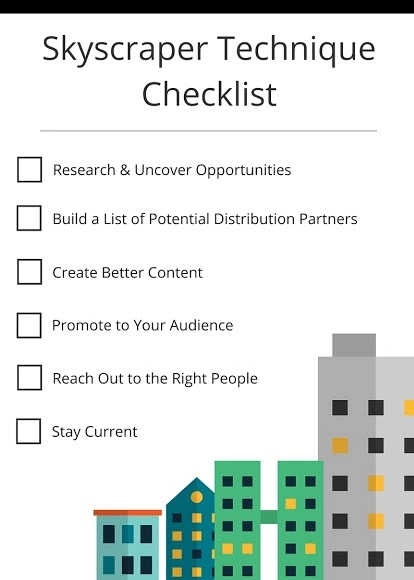
The skyscraper technique, popularised by Brian Dean, has proven its effectiveness in numerous industries. Studies show that skyscraper content can increase organic traffic by up to 110% within six months and attract dozens of high-quality backlinks. The process begins with identifying top-linked pages in your niche using tools like Ahrefs or SEMrush. Analyse these pages for outdated information, missing sections, or poor user experience. Create a superior version by updating statistics, adding expert commentary, improving readability, and incorporating multimedia elements such as videos or interactive tools. Once your content is live, compile a list of websites linking to the original resource—often, 10-20% of outreach emails result in a successful link swap if your content is demonstrably better. Personalise your outreach by referencing the specific section they cited and explaining how your page enhances accuracy or user experience. This method is especially effective for evergreen topics, ensuring your resource continues to attract links long after the initial outreach.
Strategy 4: Broken link building (helpful, not pushy)
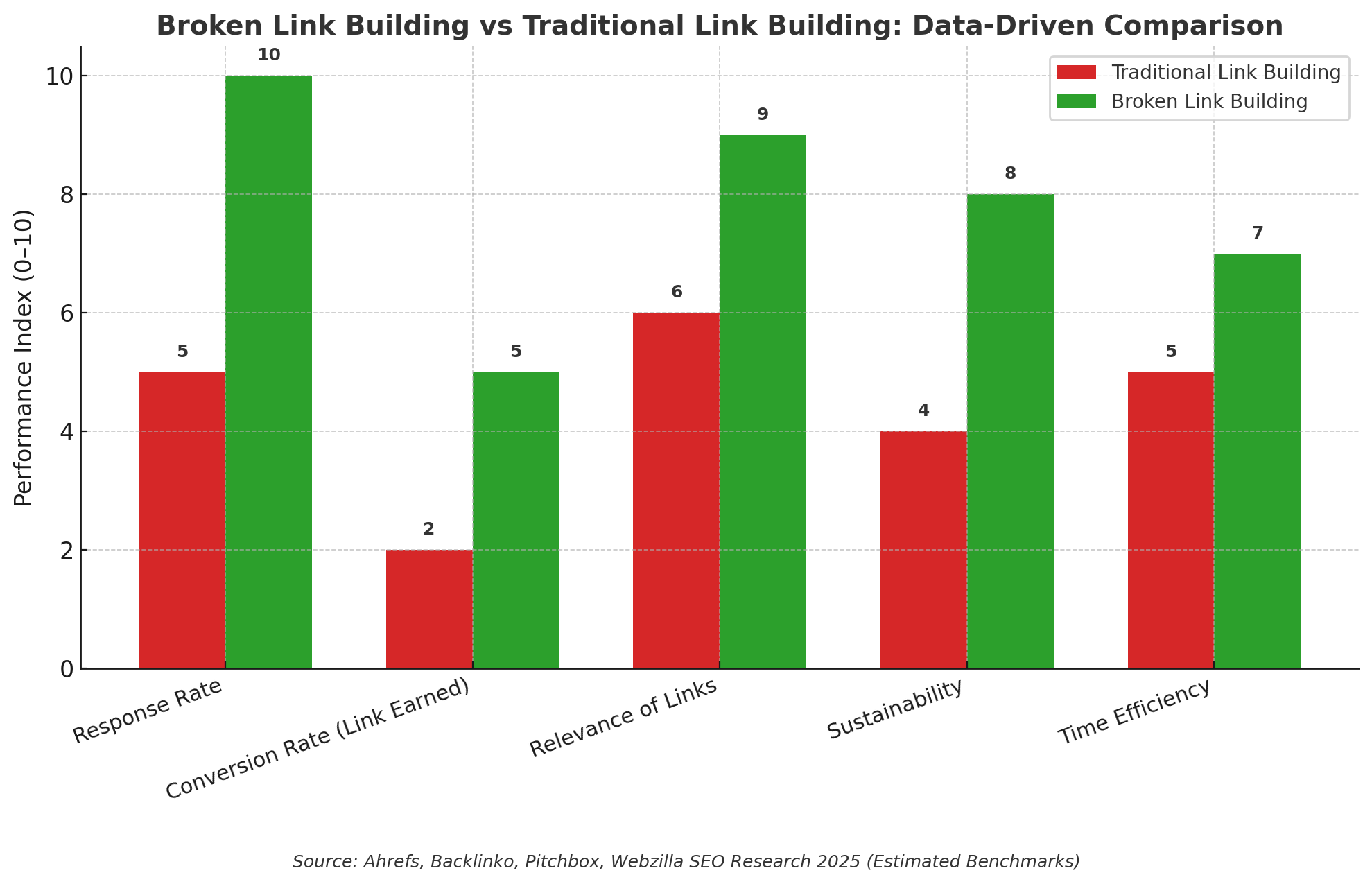
Broken link building is a win-win strategy that helps webmasters maintain quality while earning you valuable backlinks. Research by Moz indicates that up to 30% of the web’s links are broken, creating ample opportunities for replacement. Start by using tools like Screaming Frog or Check My Links to identify broken outbound links on resource pages or competitor sites. Ensure your replacement content closely matches the original intent—if the dead link was an in-depth guide, your substitute should be equally comprehensive. Craft outreach emails that are concise and helpful: include the page URL, the broken link, and your suggested replacement, along with a brief explanation of its relevance. Industry data suggests that broken link outreach has a conversion rate of 5-10%, making it one of the most efficient white-hat link building tactics. Even if your link isn’t added immediately, you establish goodwill with site owners, which can lead to future collaboration or guest posting opportunities.
Strategy 5: Resource page and “best of” list outreach
Resource pages and “best of” lists are curated collections designed to help audiences find valuable information, making them prime targets for link acquisition. According to Backlinko, resource page outreach can yield a response rate of 11%, with high-authority links that drive both SEO and referral traffic. Begin by identifying resource pages that are actively maintained and relevant to your niche—look for pages with recent updates and a focus on quality over quantity. Position your content as a missing or superior resource, and tailor your pitch to highlight the specific benefit to their readers. Offer to replace outdated links or provide a ready-to-use description or visual asset to make inclusion effortless. Over time, consistent outreach can secure dozens of high-quality links, and being featured on authoritative lists can drive sustained referral traffic and brand recognition.
Strategy 6: Digital PR and media outreach that earns editorial links
Digital PR leverages newsworthy stories to earn editorial links from high-authority publications. A 2022 Cision report found that 71% of journalists prefer pitches that include exclusive data or expert commentary, and digital PR campaigns can generate hundreds of links from reputable media outlets. To succeed, develop a compelling angle—such as a new industry trend, a unique dataset, or expert insights on a current event. Build a targeted media list by researching journalists who cover your topic and analysing the types of sources they cite. When pitching, lead with the most newsworthy insight and provide a link to a well-designed source page for verification. Respond quickly to media requests and offer quotable statements to increase your chances of being featured. Even if a story doesn’t result in a link, the exposure can drive brand searches, partnerships, and future media opportunities, reinforcing your authority and visibility.
Strategy 7: Link reclamation from unlinked brand mentions
Link reclamation is a highly efficient way to convert existing brand mentions into valuable backlinks. Studies show that up to 50% of brand mentions online are unlinked, representing a significant missed opportunity. Set up alerts using tools like Google Alerts, Mention, or Ahrefs to monitor for new mentions of your brand, products, or key personnel. Prioritise outreach to sites with high domain authority and relevant audiences. Your request should be polite and straightforward: thank the author for the mention, quote the exact sentence, and provide the correct URL for linking. According to industry benchmarks, link reclamation outreach can achieve conversion rates as high as 20-30%, making it one of the most effective and low-effort link building tactics. Regularly auditing your own site for outdated or broken internal links also ensures you retain the full value of your existing link equity.
Strategy 8: Infographics and visual assets people want to reuse
Infographics and visual assets are among the most shareable forms of content, with research from Venngage showing that infographics are liked and shared on social media three times more than any other type of content. A well-designed infographic can attract hundreds of backlinks, especially if it presents complex information in a clear, engaging format. Base your visuals on original research, authoritative data, or frameworks that simplify industry concepts. Publish the asset with supporting text, an embed code, and clear source attributions to encourage sharing and citation. Reach out to bloggers, journalists, educators, and industry newsletters who regularly use visuals in their content. Monitor for uncredited uses of your visuals using reverse image search tools, and request proper attribution to reclaim lost links. Over time, a single evergreen infographic can become a citation magnet, driving both SEO and brand visibility.
Strategy 9: Contests and giveaways designed for coverage, not just clicks
Contests and giveaways can generate significant media coverage and backlinks when designed with a newsworthy angle. According to a Gleam study, contests promoted through PR outreach can increase website traffic by up to 34% and earn dozens of backlinks from blogs, news sites, and community forums. The key is to create a contest that offers more than just a prize—think of a unique challenge, a community-driven initiative, or a theme that ties into current trends or industry events. Build a dedicated landing page with clear rules, timelines, and sharing options to maximise participation and coverage. Promote the contest through direct outreach to journalists, bloggers, and partners with overlapping audiences. After the contest, publish a results page featuring winners, participation statistics, and notable entries, which can generate a second wave of media interest and backlinks. This approach transforms a one-off campaign into a lasting reference point for your brand.
Strategy 10: Sponsored content and paid placements with clean compliance
Sponsored content and paid placements offer a controlled, scalable way to secure high-quality links and brand exposure. According to the Content Marketing Institute, 70% of marketers use paid placements as part of their content strategy, with many reporting measurable increases in referral traffic and conversions. When selecting publications, prioritise those with engaged, relevant audiences and transparent editorial standards. Ensure all sponsored content is clearly labelled and that links use appropriate attributes (such as rel=”sponsored” or rel=”nofollow”) to comply with search engine guidelines. Track the performance of each placement by monitoring referral traffic, conversions, newsletter sign-ups, and branded search volume. While paid links should not be your primary SEO strategy, they can amplify your best assets, drive targeted traffic, and support organic link acquisition by increasing your brand’s visibility among influential audiences.
A simple way to choose your next three tactics
Pick a mix that suits your current reality: one compounding asset (research or a visual), one relationship play (guest posting or digital PR), and one efficiency win (broken links or mention reclamation). That blend keeps momentum up while you build long-term authority.
- Time horizon: quick wins, steady growth, compounding assets
- Constraint: budget, writing capacity, data access, design access
- Distribution strength: email list, partnerships, media relationships, social reach
- Risk tolerance: strict compliance versus paid exposure
References
- Ahrefs: https://ahrefs.com/blog/link-building-case-study/
- Ahrefs (broken link building guide): https://ahrefs.com/blog/it/broken-link-building/
- Ahrefs (link building strategies, giveaways mention): https://ahrefs.com/blog/zh/link-building-strategies/
- Agency Backlinks (original research): https://www.agencybacklinks.com/original-research-link-building/
- Search Engine Journal (link building tactics, guest posting and unlinked mentions): https://www.searchenginejournal.com/effective-link-building-tactics-webceo-spcs/513140/
- LSEO (guest posting guidance and cautions): https://lseo.com/seo-services/link-building/guest-posting-for-link-building-a-complete-guide/
- BuzzStream (broken link building): https://www.buzzstream.com/blog/broken-link-building/
- BuzzStream (digital PR): https://buzzstream.com/blog/digital-pr-link-building/
- WeOutreach (resource page outreach): https://www.weoutreach.com/resource-page-link-building/
- Editorial.Link (resource pages): https://editorial.link/resource-page-link-building/
- Semrush (unlinked mentions): https://www.semrush.com/blog/unlinked-mentions/
- Azarian Growth Agency (case studies, infographics): https://azariangrowthagency.com/link-building-case-studies/
- Search Engine Land (paid links guidance): https://searchengineland.com/manual-link-building-is-more-important-than-ever-in-2024-438804